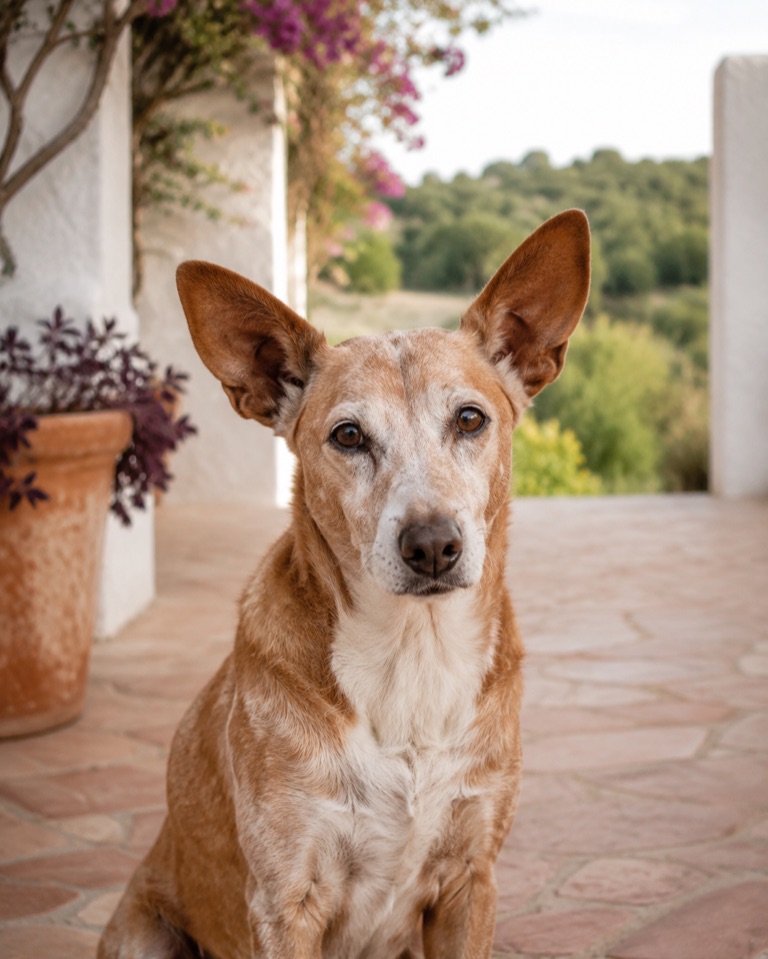
Age, appearance or a diagnosis cannot fully describe a dog. This guide offers guidance: the rescue organisation knows the dog's history and makes the adoption decision. The match helps identify incompatibilities; it does not guarantee that dogs will never be returned.
Growing up together also means teaching him how to live.
What they can bring
You can accompany their development and build routines from the beginning. It is a stage of discovery, game and shared learning.
What you need to commit to
A puppy needs close supervision, frequent toilet breaks, kind training and gradual learning to be left alone. Expect chewing and accidents at home. Adult size may be uncertain: do not choose a puppy assuming they will stay small.
Ask the rescue organisation
What is known about the puppy's development and future size? What routines and experiences have they had? Who will look after them during my working day? What veterinary care schedule do they need?
A good fit if you can make time every day and commit to the adult dog the puppy will become.
A young dog may enjoy learning and sharing activities with you. The rescue organisation can already offer observations about how the dog plays, walks and interacts.
What you need to commit to
The dog may be going through adolescence: self-control and responses can vary from day to day. They need rest, suitable activity and consistent training, not just tiring out. A young dog is not necessarily athletic.
Ask the rescue organisation
How does the dog behave on walks and cope with frustration? What happens when they are left alone? How much activity do they actually need? What training support would you recommend?
A good fit if you can consistently support the dog's development, even after the initial excitement fades.
Its size is more defined and there is often more information about its current needs. He can learn new routines and create a link with you.
What you need to commit to
Behaviour observed in a shelter or foster home does not guarantee how a dog will behave in a different home. They need time to settle in and may need training or professional support. Being an adult does not mean being trained or knowing how to be left alone.
Ask the rescue organisation
Has the dog lived in a home? What has been observed, and what has not been assessed? How does the dog live with children or other animals? Which situations are difficult for them?
A good fit if you choose based on the dog's actual needs and can allow time to settle in.
You can offer stability and company at a stage that many overlook. Some enjoy quiet routines; others still have a great desire to explore.
What you need to commit to
An older dog may need changes to walks, accessibility and rest, as well as veterinary check-ups. Older dogs are not all ill or calm. The senior stage varies from dog to dog; time together is uncertain at any age.
Ask the rescue organisation
How are the dog's mobility, sight, hearing and health? Does the dog need medication or help with stairs? What routine do they enjoy, and what costs can you anticipate?
A good fit if you can adapt your home and routine without expecting the dog to behave like a young dog.
First, get to know the dog. Then understand their care plan.
What they can bring
A diagnosis does not define a dog's entire life or the relationship you can build. Depending on the individual case, appropriate care can allow a good quality of life.
What you need to commit to
Recovery from a temporary condition, chronic illness and palliative care differ greatly. Ask for an up-to-date veterinary care plan covering treatment, check-ups, estimated costs, uncertainties and what to do if the condition worsens. Do not assume it will be either easy or impossible.
Ask the rescue organisation
What has been diagnosed, and what still needs investigation? Who pays each cost? Can I provide the care? Do I have a vet and someone to help when I am away?
A good fit if you understand this dog's situation and can sustain the necessary care with a clear plan.
Fear, disability, or long stay are not the same thing.
What they can bring
You can build a relationship at the dog's pace and offer a more stable environment. Being a mixed breed, waiting a long time or having a disability does not prevent finding a compatible home.
What you need to commit to
Each dog needs different support. A fearful dog may need reassurance and professional help; a disability may require changes to the environment. A long stay in a shelter does not, by itself, indicate a behaviour problem. Do not adopt solely out of pity or expect a particular expression of gratitude.
Ask the rescue organisation
What helps the dog feel safe? What specific support do they need? Which changes are realistic, and which are uncertain? What follow-up support does the rescue organisation provide?
It fits if you accept today's dog, not just the version you expect it to be.
Real time: walks, rest, company, adaptation and learning of solitude.
Home and coexistence: agreement of those who live with you, adequate housing and supervised presentations.
Budget: food, prevention, veterinary care and contingency margin. Using Adoptia is free; taking care of a dog has expenses.
Support plan: who will look after the dog if you become ill, travel or your schedule changes.
Commitment: adult size, today's needs and possible changes over the years.
Follow-up: who to call if something gets complicated. To ask for help can soon avoid a break.
Does the family live far away?
If you live far away, we suggest several video calls with the rescue organisation to discuss routines, needs and expectations. We recommend at least one in-person visit beforehand whenever possible. A video call does not replace an assessment or establish suitability on its own. The rescue organisation sets its protocol and decides whether to proceed.
Before arranging an international transfer, confirm the requirements with the competent authority and the official veterinarian. Adoption can involve a change of ownership: do not assume that ordinary pet travel rules are sufficient.
Senior dogs, mixed breeds, dogs who have waited a long time and dogs needing veterinary care. Giving them priority means making them visible, not skipping the compatibility assessment.
General guidance; does not replace the veterinary assessment or the entity's criterion. Sources of support consulted in September 2026: